I was once scrolling down my Facebook account and then I stopped at a post. It was Ms. Yvonne Ridley’s photo of 20 Scottish Muslims on a mission to visit a lonely grave in the Highlands. There they prayed and remembered the deceased with due honor. I was intrigued by the fact that the very grave is up the mountains and it belongs to the
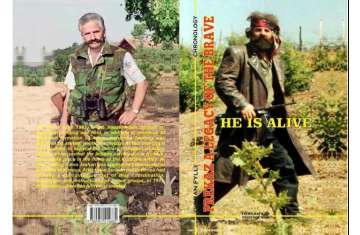
An introduction to a book ‘He is Alive’, authored by Dibran Fylli that narrates the story of Liberation War of Kosovo and Commander Adem Jashari who led the war
Dibran Fylli, born in Kosovo, is a director, actor, poet, writer, academician, Editor-in-Chief of the prestigious international magazine Orfeu. He has won many
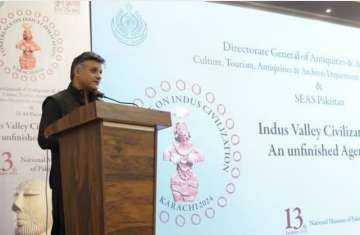
National, International Archaeologists and Anthropologists present papers at a conference titled ‘Indus Valley Civilization: An Unfinished Agenda’
Karachi, Sindh
The national and international archaeologists and anthropologists have underlined the need of modern technology, laboratories and the human resources for conducting
There is no doubt that Bhutto was a great leader, and he was Sindhi. He popularized the role of common men in politics – Dr. Hamida Khuhro
[Translator’s note: This is a translation of renowned historian Dr. Hamida Khuhro’s comprehensive interview, originally published in the Sindhi magazine Nao Niapo, Karachi in May,
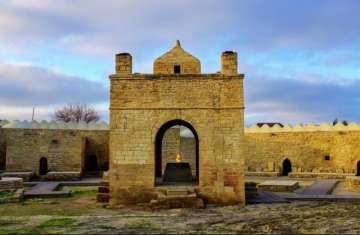
The Baku Atishgah, often called the “Fire Temple of Baku”, was used as a Hindu, Sikh and Zoroastrian place of worship.
In his article Guru Nanak’s Travel an appraisal of Baku Visit, Gurvinder Singh Chohan has concluded that Guru Nanak did visit Baku because of the information in Memoirs of Zehir-ED-Din Mohammed Babur