In the factory, nothing is supposed to stop. The machines turn, the conveyor belts move, and the worker is expected to keep pace with a rhythm that will not wait for him. Then, suddenly, a new invention appears: a machine designed to feed the worker
In medicina impariamo presto che, quando un essere umano si trova tra la vita e la morte, molte delle cose che dividono il mondo fuori dalla sala operatoria semplicemente scompaiono. Non contano più la nazionalità, la lingua, i confini o le
In medicine, we learn early that when a human being stands between life and death, many of the things that divide the world outside the operating room simply disappear. Nationality, language, borders and political differences no longer matter. A patient
In the film Waheda bi Waheda (One by One), the celebrated Egyptian actor Adel Imam plays Salah Fouad, a man working in advertising who invents the name of a product that does not actually exist: “Al-Fankoush.” There is no factory, no
Today, technology is no longer a secondary tool in our lives; it has become the mastermind governing the global landscape. From daily commercial and economic transactions to critical government mandates and geopolitics, data rules the world. A prime
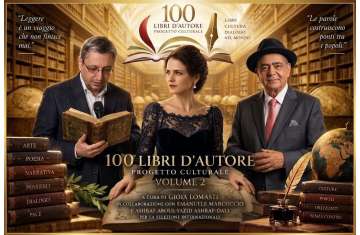
A new chapter in cross-cultural literary exchange brings together poets, novelists, and authors through books published in English and Italian.
Italian editors, authors, and publishers Gioia Lomasti and Emanuele Marcuccio are preparing the second volume of their international publishing project, 100 Books, 100 Authors, an initiative designed to showcase literary voices from different countries and