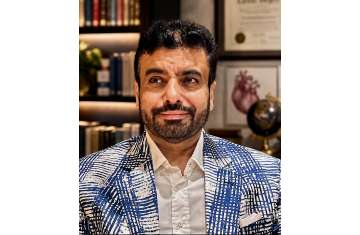
In medicine, we learn early that when a human being stands between life and death, many of the things that divide the world outside the operating room simply disappear. Nationality, language, borders and political differences no longer matter. A patient enters the operating theatre with only one identity: a human being who needs someone to
In the film Waheda bi Waheda (One by One), the celebrated Egyptian actor Adel Imam plays Salah Fouad, a man working in advertising who invents the name of a product that does not actually exist: “Al-Fankoush.” There is no factory, no packaging, no product anyone can buy—only a name and an advertising campaign clever enough
Today, technology is no longer a secondary tool in our lives; it has become the mastermind governing the global landscape. From daily commercial and economic transactions to critical government mandates and geopolitics, data rules the world. A prime example of this reality was recently demonstrated by the UAE government's deployment of an
The Uber–Delivery Hero deal is being described as the largest merger in the history of food delivery. That is true, and it misses the point. The transaction redraws the map of a sector that has become central to the Middle East's digital economy, and it sets Arab competition authorities a real test of what they are for.
The deal
Dans une salle d’opération, beaucoup de choses que nous considérons comme extrêmement importantes dans la vie quotidienne disparaissent. La nationalité, la langue, la couleur de peau, la religion et le statut social s’effacent. Il ne reste, devant le médecin, qu’un être humain qui a