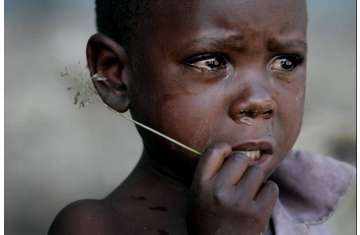
Death, come and take me, and I’ll fly away, Fly away where I won’t see tears again
, a young poet and writer, who was born in DR Congo, raised orphan and spent life in a refugee camp, shares his poetry
Charles Lipanda Matenga, was born and raised orphan at Rwenena Village, Uvira, Sud-Kivu, D R Congo in 2005. Charles
Tonight who made me light; This lonely verse evening, the moon came to you because you were her smile
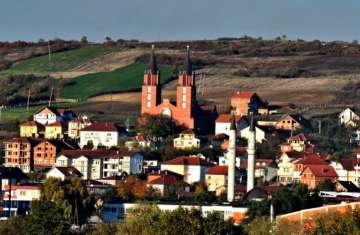
Agim DESKU, a renowned poet from Republic of Kosovo, shares a bouquet of his poems
Agim DESKU, born on August 25, 1957 in Siqevë, Municipality of Klina in Kosovo, has published so far published eleven poetic volumes: Whisper
The cover story notes that editors-in-chief of nine international media platforms, in three continents, have agreed to launch a cooperation protocol for the simultaneous publication of articles in Arabic and English
Abuja Correspondent
The Congress of African Journalists (CAJ) International Magazine has just released its February 2024
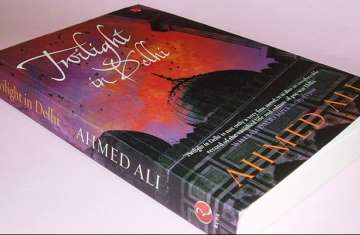
The novel ‘Twilight in Delhi’ portrays themes of colonialism, love, peace, unity, dispersion, alienation, nostalgia, and the passage of time.
“Twilight in Delhi” is Ahmed Ali‘s first novel, originally published in English by Hogarth Press in Britain in 1940. Later, four other editions were published, the last
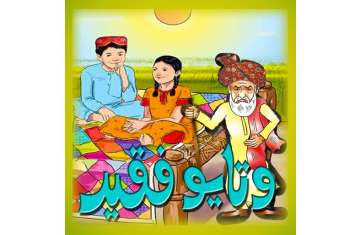
Humour, as a distinctive form of creative art, is relatively a modern phenomenon, and Sindhi literature is not barren of elements of good humour
I have no big claim to make about a great tradition of humour in Sindhi literature. Perhaps it may be the case with other Indian literature as well, since humour, as a distinctive form of creative