At every stage of nation building, a question arises that may seem simple on the surface: “What do we do with the youth?” But in truth, it is not a question about an age group; it is a question about the spirit of a nation, its dynamism, and the future it envisions for itself.
In Egypt, we have grown accustomed to viewing
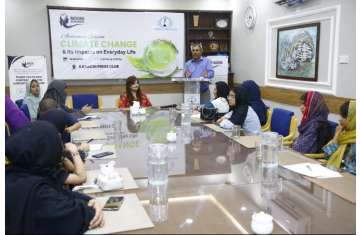
There is urgent need for climate literacy and individual responsibility in combating climate change – Nasir Panhwar
NOORI hosts Awareness Session on “Climate Change and its Impacts on Everyday Life” at Karachi Press Club
NOORI, a social startup committed to women’s empowerment and community development, hosted an
One of the most glaring issues is one of inadequate digital infrastructure
Another challenge is the digital skills gap in urban and rural areas of the country
Over the last few years, there have been significant advances in digital transformation in Pakistan, however, the actual push and influence are largely driven at the provincial
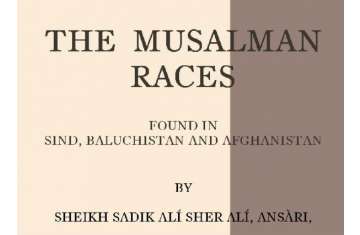
Sheikh Sadik Sher Ali’s book ‘Musalman Races, Found in Sindh, Balochistan and Afghanistan’ authored in 1901, is a valuable historical and ethnographic record
The book is a Short Sketch, Historical and Traditional, of the Musalman Races Found in Sindh, Baluchistan and Afghanistan written by Sheikh Sadik Sher Ali in 1901.
A recent Australian scientific study has warned that repeated heading of the ball during football matches and training sessions could lead to significant changes in brain chemistry, heightening concerns about a potential link between this practice and increased risk of dementia in the long term.
Conducted by the University of Sydney, the